




How does Audi’s OLED (organic light-emitting diode) technology work?
Organic LEDs are semiconductor light sources that operate on the principle of electroluminescence. Unlike conventional LEDs, OLEDs do not use a regular crystal lattice made from inorganic material; instead, they consist of stacked layers of organic molecules. When a voltage is applied, electrons and holes recombine, emitting light.
How does Audi use OLED technology?
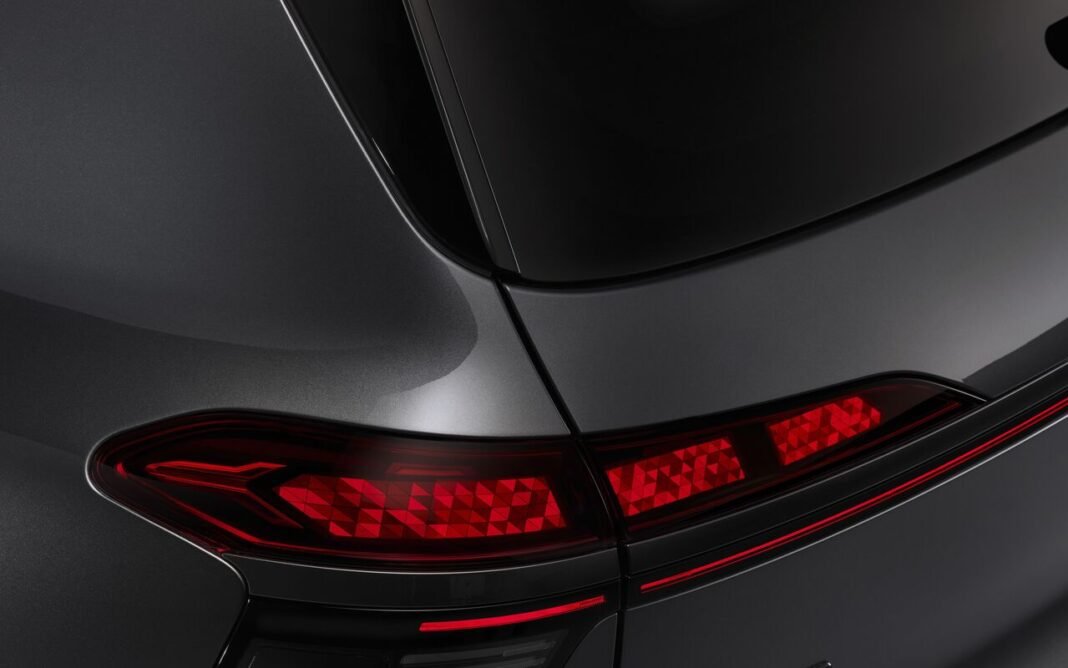
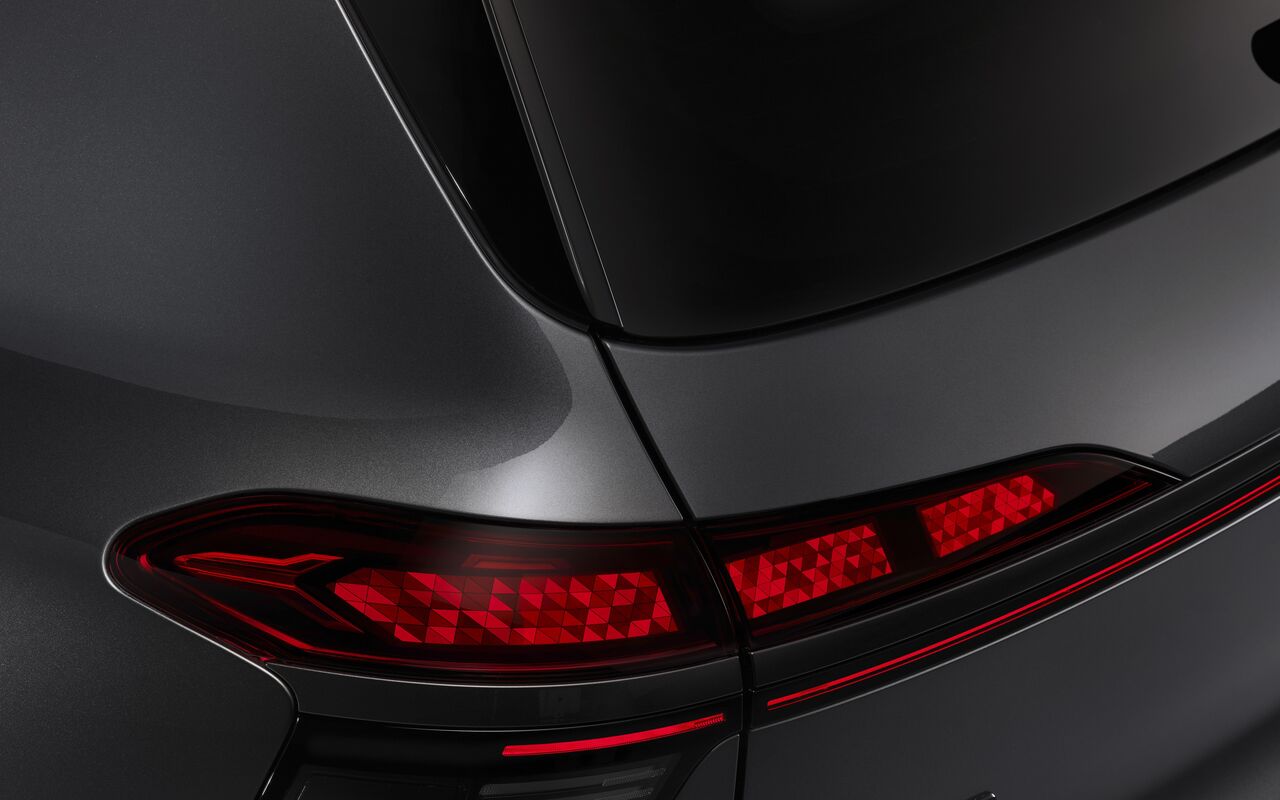
The individual layers of Audi OLEDs are designed to emit deep red light and to meet specified requirements for light color, luminance, and durability in automotive applications. Audi was the first automaker to offer segmented OLED technology. And has developed the technology for ten years to enable a configurable appearance in the rear lights and to enable communication, thereby contributing to increased road safety.
What are the benefits of digital OLED technology?
The difference between a digital OLED light source and a “classic” OLED lies in the larger number of individually controllable segments and the way they are arranged. Unlike first-generation OLED rear lights, in which each lighting function is supplied via a separate cable, digital OLED rear lights are connected to the vehicle’s electrical-system control unit via a bus system. This enables significantly more functions. The advantages of digital OLED technology include high contrast, high uniformity, minimal gaps between segments, high precision, and a high degree of design flexibility in a surface light source integrated into a light element just one millimeter thick.
How does an OLED light source differ from an OLED display?
OLED displays, such as those used in smartphones, can display any color through electronic control. However, they cannot generate the brightness levels legally required for rear lights or brake lights. The individual OLED segments developed by Audi for automotive use in rear lights can be controlled individually and dimmed continuously. Compared with segmented OLEDs, displays have more pixels, all with the same geometry and size.